

Mezzanine Guides
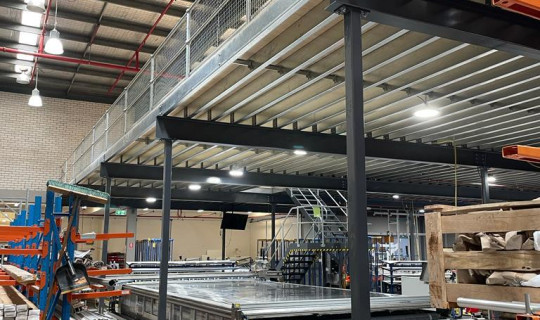
From Concept to Completion: The Process Behind a Successful Mezzanine Project
A strategically designed mezzanine can be an incredible investment in a business. By maximising the use of warehouse space, enhancing workflows and integrating automation, a well designed mezzanine can significantly enhance the safety, efficiency and productivity of a facility. But design is just the first step – the vision then needs to be brought to life. A well-executed mezzanine project is built on procedure. A successful outcome demands a clear, collaborative process that ensures safety, compliance and functionality from day one. At Unistor we’ve spent over three decades crafting such a method. We manage every stage of our end-to-end service internally, to guarantee quality, consistency and accountability. Here’s how a successful mezzanine project should play out.
Read more
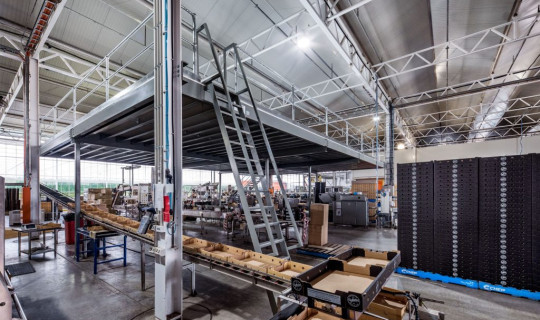
Designing Conveyor-Ready Mezzanines: Key Structural Considerations
Mezzanines are built for that precise purpose. By creating extra floors within a warehouse or facility, they maximise the use of vertical space. These platforms can be used for storage, order processing, office space and more. Another way to do more with less is through automation, which, in a warehouse context, typically involves using technology like conveyors to transport goods from A to B. Careful warehouse mezzanine design is critical to achieving optimal efficiency and productivity through conveyors. In order for these systems to work together well, they need to be strategically planned and implemented. In this guide we’ll break down mezzanine-conveyor integration in warehousing: why it’s important, how it works, and the factors to consider when implementing a system within a warehouse or facility.
Read more
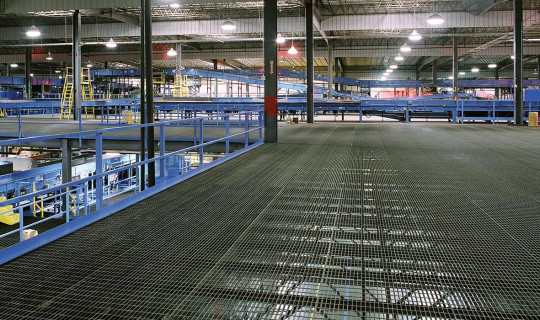
The Pros and Cons of Press-Locked Grating vs Welded Bar Grating and Why Meiser’s Press-Locked Grating Stands Out
A common sight in warehouses and industrial facilities, grating is the strong metal mesh – perhaps better described as open grid – that forms a (usually elevated) surface that workers can work on and goods can be processed and stored on.
Read more