

News
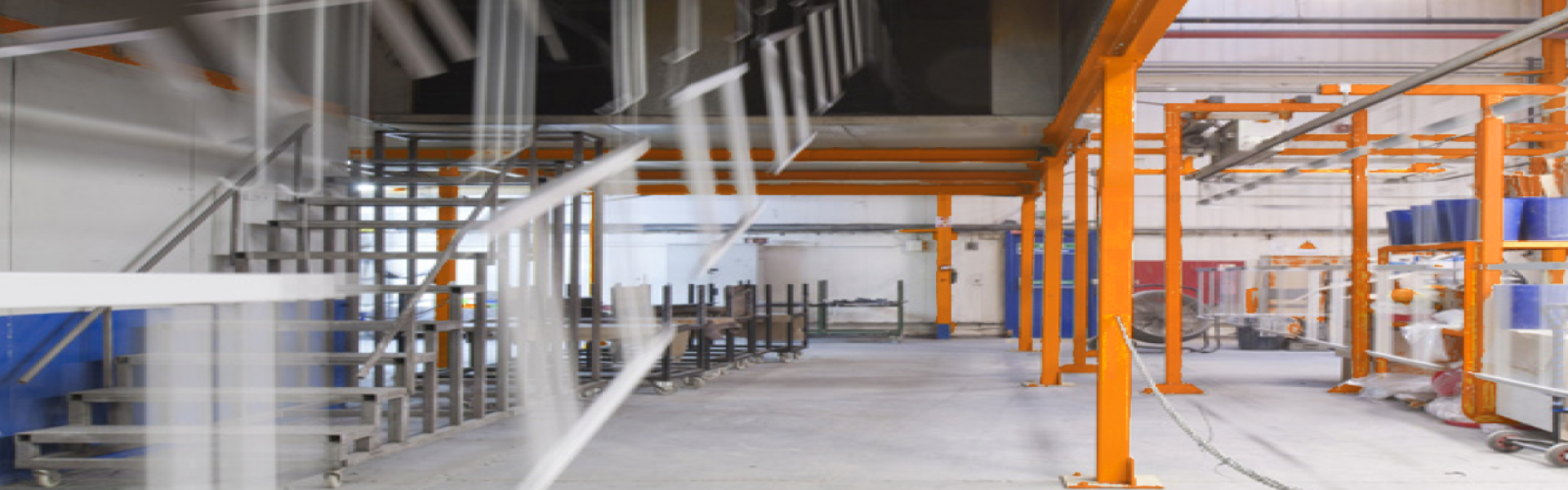
Our news page is your go-to resource for the latest updates, industry news, and blogs related to mezzanine floor systems and warehouse optimisation. Our mission is not only to provide superior products and services but also to keep our clients informed and ready to navigate this ever-evolving commercial landscape.

Navigating Mezzanine Compliance in Australia
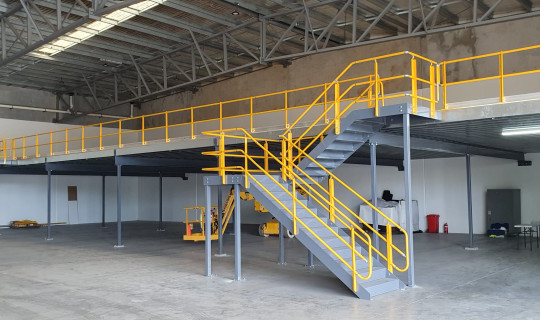
Mezzanine floors are regulated building structures that require strict adherence to national safety codes rather than being treated as simple fit-outs. Early consideration of compliance during the design phase reduces the risk of expensive redesigns, approval delays and operational hazards. Architects and engineers who understand these requirements from the earliest design stages avoid costly redesigns, approval delays and operational disruptions. This guide explains how mezzanine structures must comply with the National Construction Code and relevant Australian Standards, with attention to NSW-specific considerations where they apply.
Read more

Noise, Vibration & User Experience: Why Flooring Type Shapes Warehouse Performance
Flooring is one of the most influential elements of a mezzanine or multi-level warehouse structures, yet it is often overlooked when planning a new facility or expanding an existing one. The decision between solid panels, such as Unilin, and steel grating systems, such as Meiser, affects noise levels, vibration transfer, worker comfort and equipment performance. It also influences how people move across the structure, how goods travel and how the warehouse performs over time. Understanding these impacts helps businesses design environments that support productivity, safety and long-term usability.
Read more
Fire Safety, Compliance and Ventilation: How Flooring Choice Impacts Mezzanine Certification
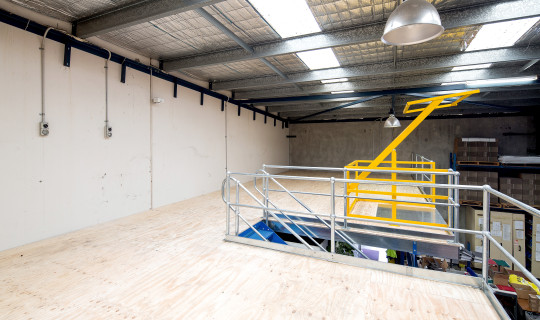
Mezzanine flooring choice plays a direct role in fire safety, ventilation and overall compliance in Australian warehouses. Solid panels and open grating behave very differently in a fire event, and the wrong choice can lead to delays in certification, added cost, or operational limitations. Understanding how flooring influences smoke movement, sprinkler performance and WHS obligations is essential when planning a mezzanine. Unistor integrates these considerations from the earliest design stage to ensure every structure aligns with regulations and performs safely once operational.
Read more
Choosing the Right Mezzanine Floor: When to Use Solid Panels and When to Use Grating
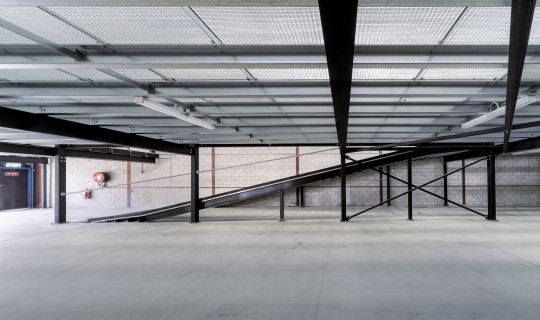
Selecting the right mezzanine flooring is one of the most important decisions when planning additional warehouse space. The floor you choose affects safety, workflow, compliance, maintenance and the long-term performance of the structure. Solid panels and steel grating behave very differently, and each flooring type offers advantages depending on how the mezzanine is used. Understanding these differences helps warehouse operators plan a system that supports their daily activity and meets all operational and compliance requirements.
Read more

How Mezzanine Floor Construction Differs: Panels vs Gratings and What They Mean for Your Warehouse
The right mezzanine floor can change the way a warehouse operates. It can turn unused height into productive space, support new workflows, reduce congestion, and create room for growth without altering the building footprint. Yet one element often determines whether a mezzanine enhances operational efficiency or becomes a long-term limitation: the flooring beneath it.
Read more
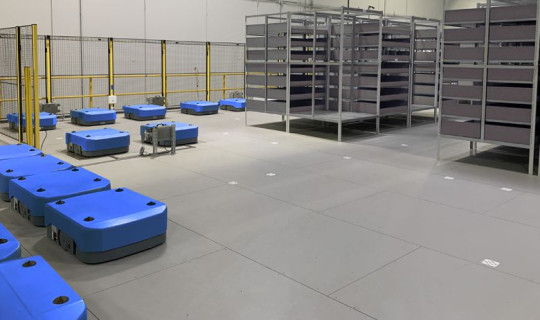
Designing Floors for Automation: How to Future-Proof Your Warehouse Infrastructure
Automation is rapidly reshaping how warehouses are planned, built, and operated. As businesses invest in AMRs, AGVs, ASRS, conveyor networks, and multi-level pick modules, attention often goes to the technology itself, yet the success of these systems depends heavily on the structure they run on.
Read more
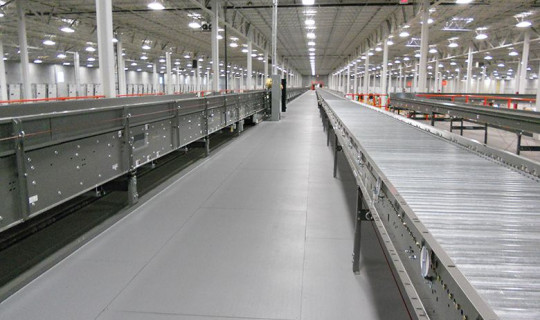
ResinDek® Flooring Explained: A Smarter Alternative to Concrete and Steel Decking
As warehouse operations evolve, so do the demands placed on mezzanine floors and elevated work platforms. Higher throughput, heavier rolling loads, and increased automation mean that traditional flooring materials like steel plate and concrete no longer provide the performance, efficiency, or cost benefits required by modern industrial environments.
Read more
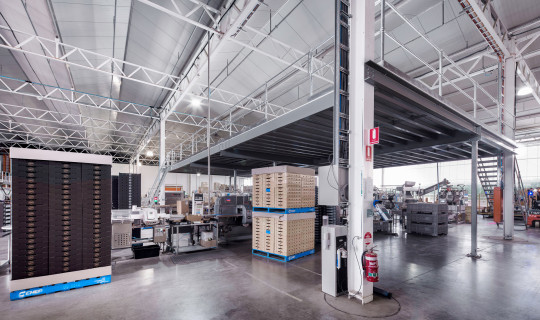
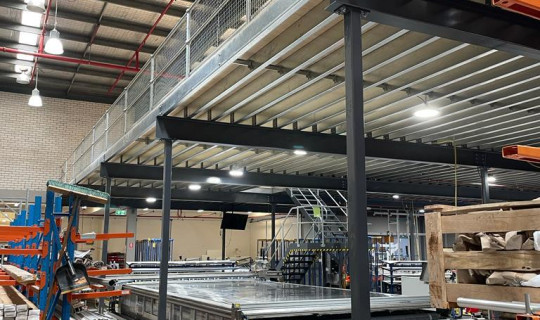
From Concept to Completion: The Process Behind a Successful Mezzanine Project
A strategically designed mezzanine can be an incredible investment in a business. By maximising the use of warehouse space, enhancing workflows and integrating automation, a well designed mezzanine can significantly enhance the safety, efficiency and productivity of a facility. But design is just the first step – the vision then needs to be brought to life. A well-executed mezzanine project is built on procedure. A successful outcome demands a clear, collaborative process that ensures safety, compliance and functionality from day one. At Unistor we’ve spent over three decades crafting such a method. We manage every stage of our end-to-end service internally, to guarantee quality, consistency and accountability. Here’s how a successful mezzanine project should play out.
Read more
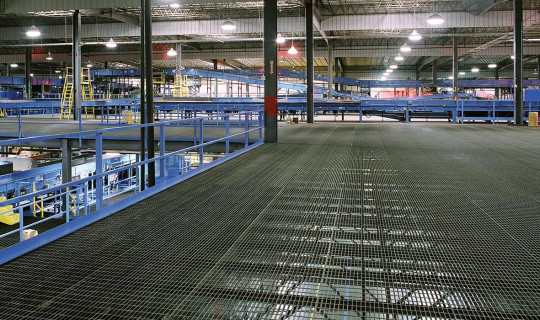
The Pros and Cons of Press-Locked Grating vs Welded Bar Grating and Why Meiser’s Press-Locked Grating Stands Out
A common sight in warehouses and industrial facilities, grating is the strong metal mesh – perhaps better described as open grid – that forms a (usually elevated) surface that workers can work on and goods can be processed and stored on.
Read more
Designing Conveyor-Ready Mezzanines: Key Structural Considerations
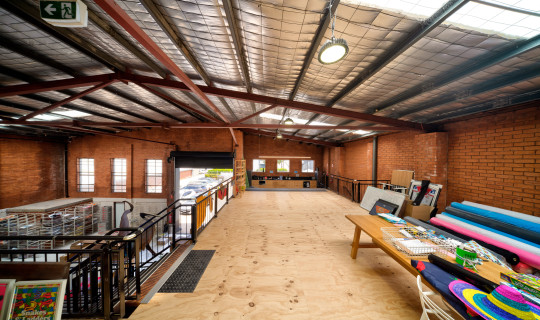
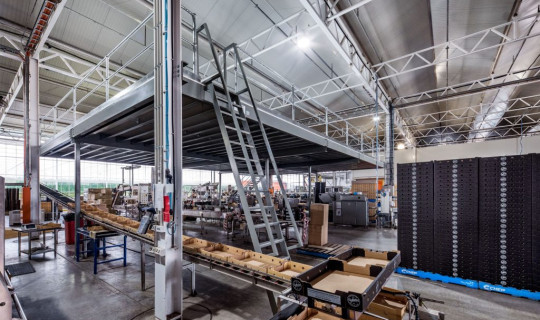
Mezzanines are built for that precise purpose. By creating extra floors within a warehouse or facility, they maximise the use of vertical space. These platforms can be used for storage, order processing, office space and more. Another way to do more with less is through automation, which, in a warehouse context, typically involves using technology like conveyors to transport goods from A to B. Careful warehouse mezzanine design is critical to achieving optimal efficiency and productivity through conveyors. In order for these systems to work together well, they need to be strategically planned and implemented. In this guide we’ll break down mezzanine-conveyor integration in warehousing: why it’s important, how it works, and the factors to consider when implementing a system within a warehouse or facility.
Read more