

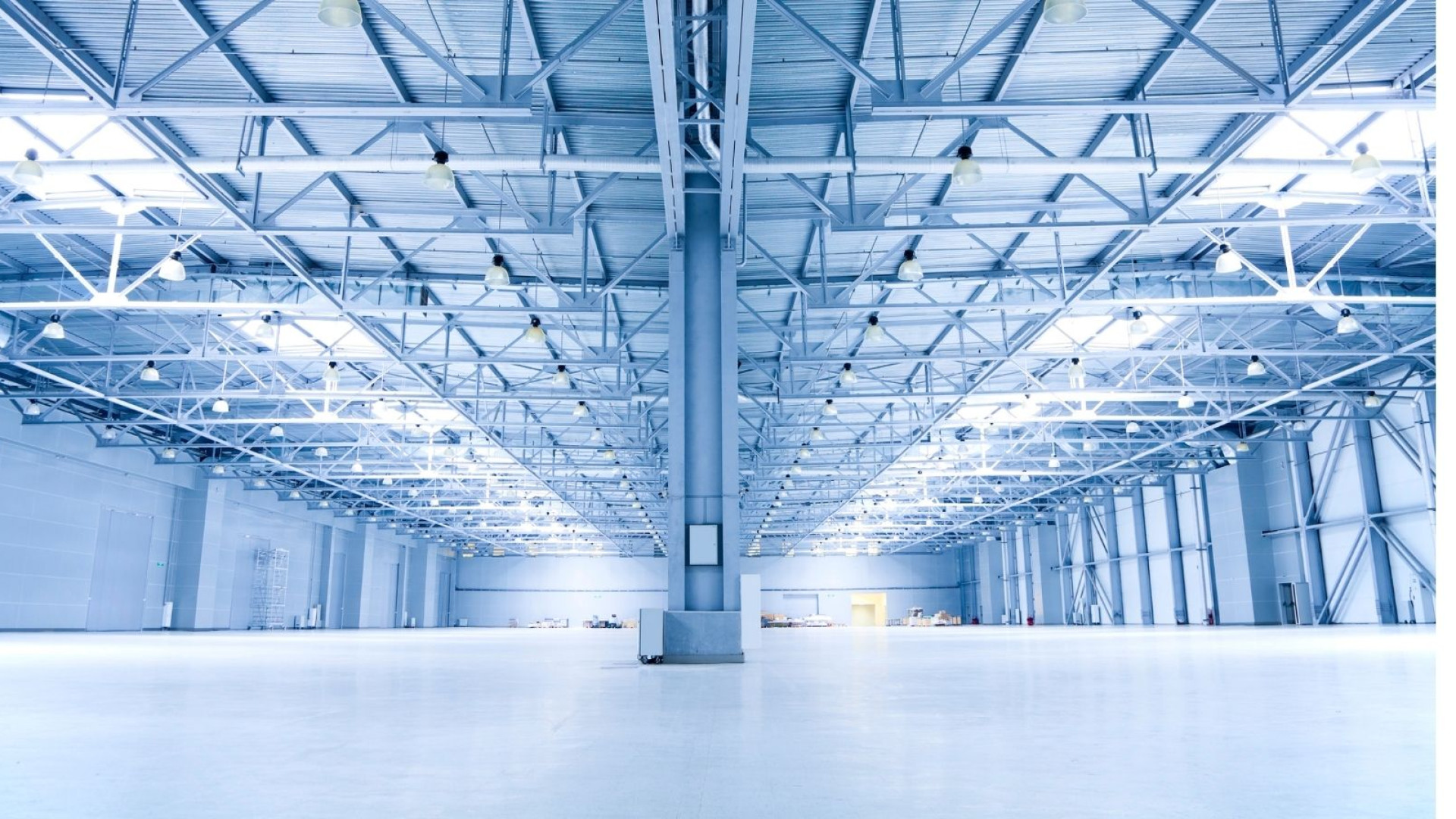
A fit-out is disruptive by nature, and most facilities cannot afford to pause operations while works are completed. Stock still needs to move, orders still need to ship, and staff still need safe, functional working conditions throughout the construction period. The difference between a warehouse fit-out that protects throughput and one that causes costly delays and safety incidents comes down almost entirely to the quality of planning that happens before a single structural component is installed.
This article follows a five-phase planning framework covering operational audit, layout design, compliance review, phased sequencing and contractor coordination. Each phase builds on the last, and together they form the planning foundation that allows a major warehouse fit-out to proceed in a live environment without sacrificing uptime or safety. Unistor's design-and-build model is structured around this framework, with a single project team managing every stage from the first site assessment through to certification and handover.
Phase one: Operational audit
The operational audit is the first and most important step in any live warehouse fit-out, because every design and sequencing decision that follows depends on an accurate picture of how the facility currently functions. Without it, layout designs are built on assumptions, and construction sequences are planned without accounting for the workflows they will intersect.
The audit maps the facility in operational terms, not just physical ones. The outputs that matter most include:
-
A flow map of inbound, storage, pick, pack and dispatch movements, identifying the paths that carry the highest traffic volume and cannot be interrupted
-
A record of the existing column grid, dock door positions, fire exits and overhead services that represent fixed constraints on any new layout
-
Shift patterns and peak trading windows, including daily peaks, weekly cycles and seasonal surge periods, which determine when construction activity can safely occur
-
A list of racking, conveyor or automation equipment that must remain operational throughout the fit-out, with their physical footprints marked on the floor plan
-
Identification of zones that can be temporarily vacated or consolidated to create a construction staging area without materially affecting throughput
-
A structural assessment of the existing concrete slab, confirming load capacity before any new column positions are determined
The audit takes place on-site and produces a set of constraints that the design team works within from the outset. Unistor conducts this assessment as part of every warehouse fit-out project, treating it as a design input rather than a preliminary formality.
Phase two: Layout design
The fit-out layout must be designed around the operational constraints identified in the audit, not imposed on top of an existing operation. A layout that works well in its finished state but cannot be reached through a safe and functional construction sequence creates avoidable risk at every phase of the project.
Effective layout design for a live warehouse fit-out addresses two configurations simultaneously: the end state and the interim states the facility will pass through during construction. Minimum aisle widths, egress widths and pick-face access must be maintained throughout each phase, which means the designer needs to understand how the floor plan changes at each construction boundary, not only what it looks like when complete.
Mezzanine position, stair placement and the column grid are the structural decisions with the greatest effect on which zones can remain operational during works. A stair positioned to serve the finished mezzanine layout may cut across a high-traffic aisle during installation if its placement is not coordinated with the phased construction sequence. These conflicts are far less costly to resolve at the design stage than during construction.
CAD drawings for a live fit-out project should show both the finished configuration and the key interim layouts so that the warehouse operations team, the construction team and any external certifier share a common understanding of what the facility looks like at each phase boundary. Flooring specification should also be confirmed at this stage to allow adequate lead time. Open-mesh flooring options such as Meiser grating are a documented, compliance-ready choice that can be specified and ordered before structural installation begins, removing a common source of program delay.
Phase three: Compliance review
Compliance obligations in a live warehouse fit-out apply to interim and temporary configurations, not only the finished structure. This is the aspect of the compliance review that most fit-out projects underplan, and it is the one most likely to create safety incidents or stop-work notices during construction.
The key compliance requirements to address before works begin include:
-
AS 1657:2018 (Fixed platforms, walkways, stairways and ladders) applies to all access structures installed during the construction program, including temporary stairways, interim walkways and construction access platforms. These structures must meet the gradient, width, handrail and landing requirements set out in the standard regardless of how long they are in place.
-
Interim egress paths must be maintained and clearly signed at all times during works. The National Construction Code and the Work Health and Safety Act 2011 require that egress routes are never obstructed, including during structural steel deliveries, concrete pours or overhead installation works.
-
Interim load restrictions must be applied to any racking or slab area affected by adjacent construction activity. These restrictions must be documented in writing and enforced with physical load rating signs at the affected locations before works begin in that zone.
-
A Safe Work Method Statement covering all construction activities and their interaction with live warehouse operations is required before any work commences. This document should identify the specific risks created by the live-environment context, not only the generic risks of the construction activity itself.
-
Fire egress paths must remain clear and fully functional at every stage of the project, including during the delivery and positioning of structural steel components.
Compliance requirements should be confirmed with a structural engineer or certifying authority for the specific project. Unistor prepares the compliance documentation package as part of its standard project scope, covering AS 1657:2018 details, NCC requirements and Safe Work Method Statements for live-environment installations.
Phase four: Phased sequencing
Phased sequencing is the mechanism that translates a compliant design into a construction program the warehouse can operate around. A well-sequenced fit-out moves through the facility in a logical order, completing each phase to a usable interim state before the next phase begins, so the facility always has a functional layout available to the operational team.
The following principles govern effective sequencing in a live warehouse environment:
-
Begin in the zone furthest from active pick-and-pack operations. This creates the construction zone at the greatest possible distance from the highest-traffic areas of the facility and gives the team room to establish working conditions before moving closer to the operational core.
-
Schedule structural steel delivery and installation during off-peak shifts. Overnight windows and weekend periods reduce the exposure of picking staff to the noise, dust and access restrictions that accompany steel installation. Delivery times should be locked into the program and communicated to the warehouse operations team in advance.
-
Establish a defined construction zone boundary at each phase. Physical barriers, signage and clearly marked pedestrian paths distinguish the construction zone from the operational floor. These boundaries should change only at planned phase transitions, not in response to day-to-day site conditions.
-
Complete each phase to a usable interim state before beginning the next. A partially completed mezzanine or an open construction zone that runs across two phases simultaneously creates compounding access and safety problems. Each phase should have a defined completion point that the operations team can plan around.
-
Stage stock relocations in controlled moves. Bulk consolidations that move large volumes of stock at once overwhelm available temporary storage space and disrupt picking operations. Controlled, sequenced moves with updated location records distributed before each move protect pick rates and reduce errors.
-
Build buffer time between phases. A buffer of several days between the completion of one phase and the commencement of the next absorbs minor delays without compressing the following phase's schedule or forcing the construction team to cut corners on completion.
-
Confirm material lead times before the sequence is locked. The construction sequence must not depend on materials arriving precisely on time. Structural steel, mezzanine components and flooring materials should be ordered with lead times confirmed before the program is finalised.
The table below shows a generalised example of how a phased sequence might be structured for a mid-size warehouse fit-out. Actual sequencing depends on the site-specific constraints established in the operational audit.
|
Phase |
Works scope |
Zone affected |
Approximate duration |
Impact on live operations |
Mitigation |
|
1 |
Slab assessment, staging area setup, stock relocation |
Rear storage zone |
1 week |
Minor: temporary reduction in storage capacity |
Consolidate slow-moving stock to interim location before phase begins |
|
2 |
Column installation, beam setting, decking |
Rear mezzanine zone |
2 to 3 weeks |
Moderate: rear aisle closed to forklifts during steel work |
Reschedule inbound deliveries; use alternate aisle for outbound |
|
3 |
Stair installation, edge protection, flooring |
Mezzanine access zone |
1 week |
Low: access to upper level not yet available |
Ground-floor operations unaffected; upper level not yet in use |
|
4 |
Services, lighting, signage, inspection |
Full mezzanine level |
1 week |
Low: mezzanine in final fit-out; ground floor fully operational |
No operational impact anticipated |
|
5 |
Certification, handover, staff induction |
Full facility |
3 to 5 days |
Nil: facility operates normally; handover documentation reviewed |
Handover briefing scheduled outside peak shift |
Phase five: Contractor coordination
Poor contractor coordination is one of the most consistent causes of disruption in live warehouse fit-outs. When multiple trades operate independently in a live facility, the gaps between their programs create the conditions for safety incidents, access conflicts and throughput loss. A delayed steel delivery that blocks a pick aisle, or a concurrent trade running overhead services through a zone that was meant to be clear for forklift access, are not unusual events when coordination is fragmented. They are predictable consequences of managing multiple subcontractors without a single accountable program owner.
The risk is not that individual contractors are unreliable. It is that the coordination burden falls to the operations manager or project manager, who is simultaneously trying to maintain throughput and manage the day-to-day demands of a live facility. That combination rarely produces a well-coordinated construction program.
A single design-and-build partner removes the coordination gap by carrying responsibility for the entire scope under one contract. Site inductions, permit-to-work systems, Safe Work Method Statements and materials logistics are managed by one team rather than negotiated across multiple subcontractors with separate programs and priorities. Daily or weekly site meetings between the construction team and the warehouse operations manager allow real-time adjustments to the program without requiring the operations manager to manage contractor relationships directly.
Unistor's design-and-build model covers the full fit-out scope, including structural design, fabrication, installation, compliance documentation and certification handover, with one project manager as the point of contact throughout. For projects that include mezzanine floors, racking integration or automation support structures, the entire structural scope is managed without the operations manager needing to coordinate between separate engineering and installation teams.
Establishing staging areas that protect active workflows
A construction staging area is a designated zone within or adjacent to the warehouse where materials, tools and equipment are held between active use. Its position and management directly affect whether construction activity conflicts with live operations.
A well-planned staging area:
-
Is positioned so that materials deliveries do not cross active forklift paths or pedestrian walkways at any point during the project
-
Has clearly marked boundaries using physical barriers and signage that distinguish it from the operational floor
-
Is sized to accommodate the largest single delivery expected during the phase, not only the day-to-day volume of materials handling
-
Has access routes for construction personnel that do not conflict with shift changeovers or peak dispatch windows
-
Is established before construction begins in the adjacent zone, not created reactively once works are underway
Stock that needs to be relocated to create a staging area should move to a defined temporary location before the phase begins, with updated location records circulated to picking staff in advance. Ad hoc stock moves that happen in response to construction progress, rather than before it, are among the most common sources of picking errors and throughput loss during a live fit-out.
Communicating fit-out changes to warehouse staff
Internal communication is one of the most consistently underplanned elements of a live warehouse fit-out, and it is a direct cause of safety incidents and throughput loss when it fails. Staff working in or near the construction zone need accurate, timely information about changes to the layout, egress paths and load restrictions at each phase of the project.
The communication requirements across a live fit-out include:
-
Phase briefings for all staff working in or near the fit-out zone before each phase begins, covering the change in the construction boundary, any new signage or access restrictions and who to contact with queries
-
Temporary egress routes signed, lit and free of obstruction before any work begins in the adjacent zone, with updated egress maps posted at entry points to the affected area
-
Interim load restrictions communicated in writing to warehouse supervisors and enforced with physical load rating signs at every affected racking bay or slab zone before the restriction takes effect
-
Updated pick-face locations and aisle configurations communicated to picking staff before picking shifts begin, supported by updated floor maps or warehouse management system annotations
-
A single internal point of contact for construction-related queries, so staff direct questions through one channel rather than approaching the construction zone directly
-
Signage standards consistent with the site's existing safety signage system and compliant with the Work Health and Safety Act 2011
Communication plans should be prepared before the project begins and updated at each phase transition. A communication plan that is written at the start and never revisited does not account for the changes in the construction boundary, the workforce's familiarity with the fit-out process or the operational adjustments the warehouse team makes as the project progresses.
How AS 1657:2018 affects interim layouts and temporary walkways
AS 1657:2018 sets requirements for fixed platforms, walkways, stairways and ladders. Its requirements apply to structures installed as part of the construction program, including temporary access platforms and interim stairways, not only the final installed structure. This is the compliance obligation most commonly overlooked in live warehouse fit-outs, and it is the one most likely to trigger a stop-work notice or a workplace safety investigation if not addressed before works begin.
Where a permanent stair is not yet in place but access to an elevated work platform or partially completed mezzanine is required during construction, any temporary access structure must meet the gradient, width, handrail and landing requirements set out in AS 1657:2018. A ladder propped against a partially completed mezzanine deck does not satisfy this requirement, regardless of how briefly it is in use or how experienced the personnel using it are.
Temporary walkways crossing areas where forklift or pedestrian traffic is active must carry appropriate load ratings and be constructed to a standard that prevents deflection or movement underfoot. Edge protection on partially completed mezzanine structures must be installed progressively as each section of the deck is completed. Deferring edge protection until the full deck is in place leaves workers and pedestrians exposed to fall risk during the installation period, which is inconsistent with the duties imposed by the Work Health and Safety Act 2011.
Compliance with AS 1657:2018 during construction is the contractor's responsibility, but the warehouse operations manager should confirm it is addressed specifically in the Safe Work Method Statement before works begin. General Safe Work Method Statements that cover construction activities without addressing the live-environment context do not provide adequate assurance that interim access structures meet the standard. Engage a structural engineer familiar with AS 1657:2018 for project-specific guidance on interim access requirements.
The role of a single design-and-build partner
A single design-and-build partner carries accountability for design, fabrication, installation, compliance documentation and program management under one contract. For a live warehouse environment, this structure matters because any gap between the design team, the structural fabricator and the installation contractor creates coordination risk that translates directly into operational disruption.
When a warehouse operations manager engages multiple contractors for a fit-out, they absorb the coordination risk at every interface. The structural engineer and the steel fabricator may have different assumptions about connection details. The installation contractor and the racking supplier may have overlapping access requirements that neither has planned for. The compliance documentation prepared by one party may not cover the scope completed by another. Each of these gaps requires the operations manager to intervene, and each intervention draws time and attention away from the operational priorities that do not pause during construction.
Unistor manages the full fit-out scope under one program, with one project manager as the point of contact for both the construction team and the warehouse operations manager. The operational audit, layout design, compliance documentation, phased installation and certification handover are coordinated internally, so the interfaces between each stage are managed by the project team rather than the client. For projects that include mezzanine floors, racking integration or warehouse automation support structures, the entire structural scope proceeds without the operations manager needing to manage relationships between separate engineering and installation teams.
Request a design consultation or talk to a mezzanine specialist to discuss the fit-out scope and planning requirements for your facility.
Detailed planning is the most effective way to protect uptime
A warehouse fit-out in a live facility is a manageable project when the construction sequence is planned with the same rigour applied to the operational layout it will eventually replace. The five phases covered in this article, from operational audit through to contractor coordination, are not sequential steps to be completed and filed. They are interdependent planning inputs that, together, determine whether the fit-out protects throughput or undermines it. Unistor manages this process from the first site assessment through to certification and handover, with one accountable team across the full scope of work.
Request a design consultation or talk to a mezzanine specialist to discuss the fit-out scope and planning requirements for your facility.