

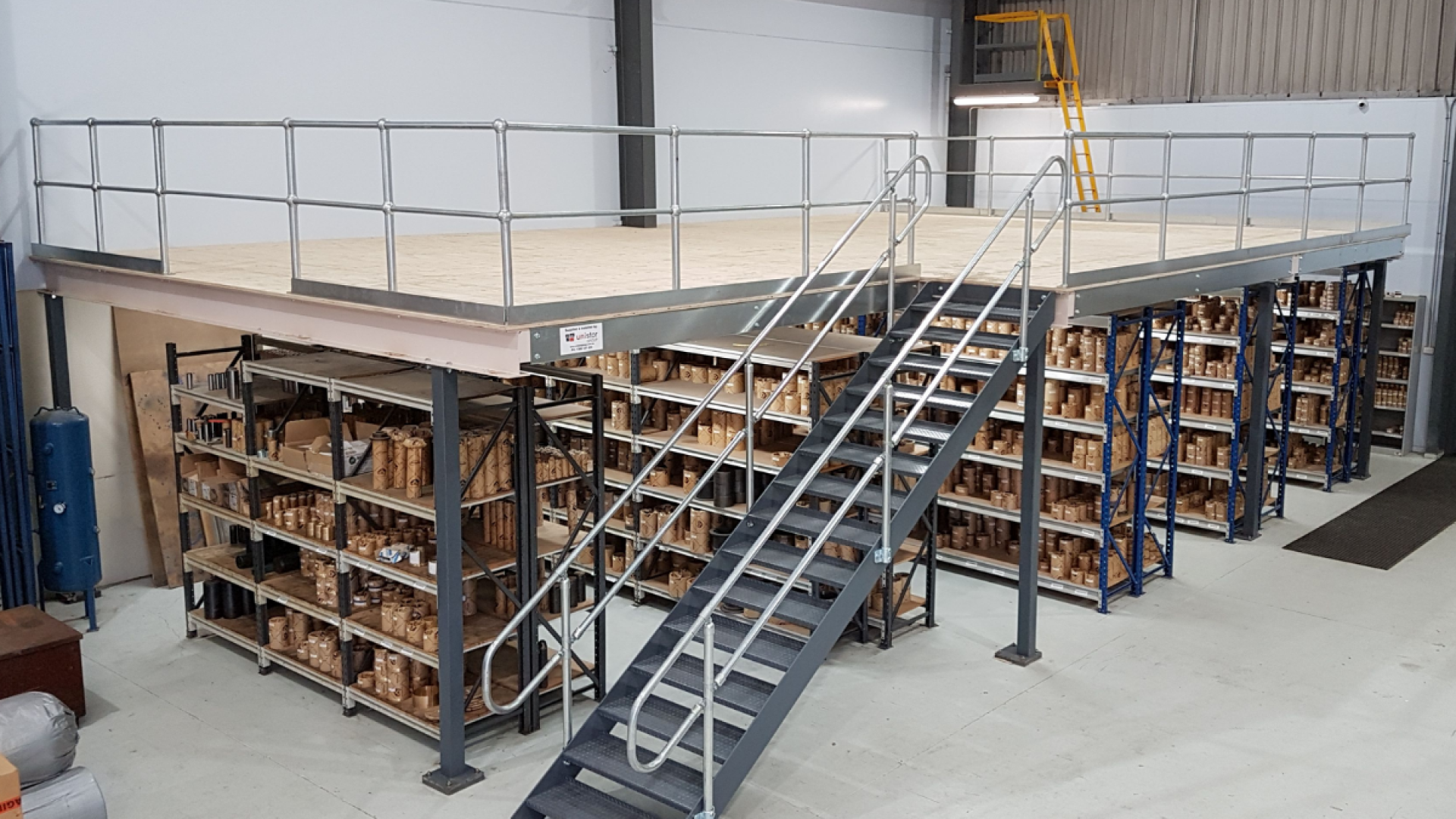
Government logistics facilities face a recurring operational challenge that private sector warehouses rarely encounter with the same intensity. Asset volumes grow steadily as agencies accumulate equipment, archives, emergency supplies and specialised inventory, yet the buildings housing these assets remain fixed in size and location. Relocating government facilities triggers cascading costs including land acquisition, planning approvals, construction budgets and operational disruption across multiple financial years. The more practical path involves unlocking the vertical space already present within existing facilities. Mezzanine systems transform underutilised ceiling height into functional storage capacity, allowing government organisations to double or triple usable floor area within current building envelopes without the cost, complexity or timeline associated with relocation or new builds.
Common Challenges in Government and Public Sector Warehousing
Government warehouses manage fundamentally different operational requirements compared to commercial logistics facilities. Asset diversity ranges from paper archives requiring climate control to heavy equipment, emergency medical supplies, defence materiel and seized goods awaiting disposal. Each category demands specific handling, storage conditions and access protocols that cannot be consolidated into generic racking systems.
Segregation requirements impose strict boundaries between different asset types or security classifications. Defence facilities must separate classified materiel from general supplies. Emergency services warehouses keep medical supplies isolated from hazardous materials. These requirements consume floor space through dedicated areas, barriers and circulation paths that reduce overall storage density.
Long-term retention obligations mean government facilities store assets for extended periods dictated by legislative requirements rather than commercial inventory turnover cycles. Security expectations exceed commercial standards in facilities handling sensitive assets, classified materials or high-value goods. Budget constraints limit capital expenditure options available to government agencies, making large infrastructure investments difficult to approve and execute.
Doubling Capacity Within Existing Buildings
Vertical space in government warehouses frequently extends to ceiling heights of 6 to 12 metres or more, yet storage systems occupy only the lower 2 to 3 metres. Mezzanine floors create intermediate levels that transform this unused volume into an accessible storage area. A single mezzanine level effectively doubles the functional floor space within the same building footprint, while multi-tier systems can triple or quadruple capacity where ceiling heights permit.
Engineered mezzanine systems designed to AS 1170 loading standards support diverse government storage requirements including archive boxes, equipment, supplies and racked inventory. Live load ratings typically range from 3 to 7 kilopascals depending on the intended use, with higher ratings available for specialised applications.
Zoning and segregation become more manageable when vertical space provides additional storage layers. Ground floors can accommodate high-turnover items requiring forklift access while mezzanine levels handle long-term storage, archives or lower-velocity inventory. Security zones can be established on upper levels with controlled stair access, creating physical separation that simplifies access management.
Budget and Procurement Considerations
Capital expenditure for mezzanine installations represents a fraction of costs associated with building expansion or relocation. Mezzanine systems deliver comparable capacity increases at 30 to 50 percent of new build costs while remaining within existing sites and operational frameworks. Delivery timelines align with government budget cycles, with design, engineering and installation completed within single financial years.
Staged investment becomes practical where budget availability requires phased implementation. Initial mezzanine sections can be designed, approved and installed to address immediate capacity needs while subsequent phases progress as funding becomes available. Procurement transparency meets public sector accountability standards through defined scope, engineered specifications and competitive tendering processes.
Use Cases Across Government Logistics
Emergency supply depots maintain stockpiles of medical equipment, disaster relief materials and emergency response gear. Mezzanine systems create organised zones separating different supply categories while maintaining ground level access for rapid deployment. Upper levels accommodate longer-term stockpiles while preserving ground floor circulation for emergency loading operations.
Defence and military warehouses handle diverse materiel requiring different security classifications and storage conditions. Multi-tier mezzanines establish vertical segregation where classified materiel occupies secure upper levels with restricted access while routine supplies remain accessible on ground floors.
Government archive storage facilities preserve documents and records under controlled environmental conditions. Mezzanine installations maximise storage density for archive boxes and filing systems while maintaining adequate aisle widths for retrieval and compliance with occupational health and safety requirements.
Customs and border protection facilities store seized goods and quarantined items requiring secure temporary storage. Mezzanine enclosures with lockable access create secure holding zones physically separated from general warehouse operations.
Safety, Security and Compliance Requirements
Safety standards for government mezzanines follow the National Construction Code and Australian Standards provisions, with procurement specifications often imposing additional requirements reflecting the critical nature of government operations. Structural certification to AS 1170 is mandatory, with engineers providing detailed load calculations and construction drawings demonstrating compliance.
Fire compliance requirements depend on building classification, storage contents and facility size. Sprinkler systems may be required where mezzanines introduce additional floor area or create concealed spaces. Guardrails and handrails prevent falls from elevated platforms and stairs, with AS 1657 specifying minimum heights, infill protection and structural loading requirements.
Controlled access systems integrate with mezzanine installations where security requirements dictate restricted entry to upper levels. Card readers, keypad locks or biometric controls can be installed at stair landings, creating secure zones without requiring separate buildings. Secure enclosures using mesh panels, doors or walls transform mezzanine areas into caged storage zones for high-value or sensitive assets.
Designing for Long-Term Flexibility
Modular mezzanine systems consist of prefabricated components that can be reconfigured, expanded or relocated as government requirements evolve. Reconfiguration allows agencies to modify mezzanine layouts when storage requirements change without replacing structural components. This flexibility has particular value in government environments where legislative changes, new programs or operational restructuring alter storage and logistics requirements over time.
Expansion capabilities should be considered during initial design even if immediate requirements do not justify full buildout. Repurposing potential allows government facilities to adapt mezzanine installations to entirely different uses as operational priorities shift over time.
Delivering Mezzanine Solutions for Government Facilities
Government mezzanine projects succeed when suppliers understand public sector procurement requirements, compliance obligations and operational constraints. Unistor approaches government logistics facilities as long-term infrastructure requiring engineered design, regulatory compliance and coordination with facility stakeholders from the earliest planning stages. Structural engineering is provided for every installation with certification demonstrating compliance with AS 1170 and relevant Australian Standards.
Contact Unistor for a Government Mezzanine Consultation
Discuss your government warehouse requirements with Unistor's team. We work with public sector logistics managers, procurement officers and facility planners to deliver compliant mezzanine solutions that maximise storage capacity within budget and regulatory constraints.
Use Unistor's warehouse efficiency calculators to explore potential capacity increases for your facility.