

Mezzanine Guides

Noise, Vibration & User Experience: Why Flooring Type Shapes Warehouse Performance
Flooring is one of the most influential elements of a mezzanine or multi-level warehouse structures, yet it is often overlooked when planning a new facility or expanding an existing one. The decision between solid panels, such as Unilin, and steel grating systems, such as Meiser, affects noise levels, vibration transfer, worker comfort and equipment performance. It also influences how people move across the structure, how goods travel and how the warehouse performs over time. Understanding these impacts helps businesses design environments that support productivity, safety and long-term usability.
Read more
Prefabricated vs. Site-Built Mezzanines – What Is Better?
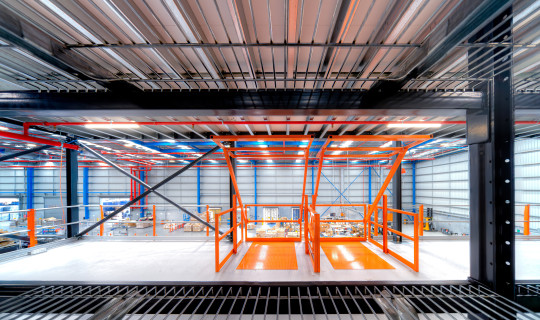
Should your mezzanine be manufactured in a factory or built on-site? The answer affects installation time, compliance certainty and the operational disruption your facility will experience during construction. Prefabricated mezzanines are engineered and manufactured off-site in controlled factory environments before delivery and assembly on location. Site-built mezzanines are fabricated and constructed largely on-site using raw materials and traditional construction methods. Each approach carries distinct implications for project timelines, quality control, safety and long-term flexibility. Understanding these differences allows architects, engineers and facility managers to select the approach that best aligns with project constraints and operational requirements.
Read more
How To Elevate Air Cargo Operations with Mezzanine Systems
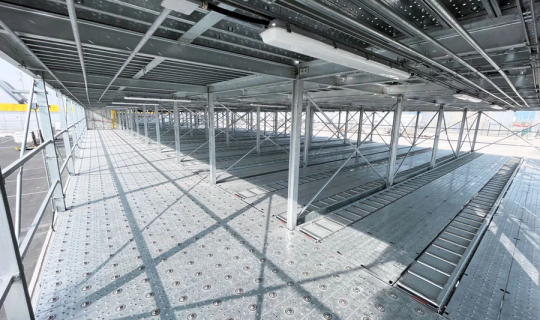
Air cargo facilities operate under constraints that few other logistics environments face. Every square metre of airport land carries premium value, apron and runway zoning restricts horizontal expansion, and operational continuity cannot be compromised during construction. Cargo terminals designed decades ago for lower volumes now process freight loads that exceed their original capacity, yet expanding the building footprint triggers planning complications, car parking ratio assessments and infrastructure costs that make horizontal growth impractical.
Read more