

Mezzanine Guides
Fire Safety, Compliance and Ventilation: How Flooring Choice Impacts Mezzanine Certification
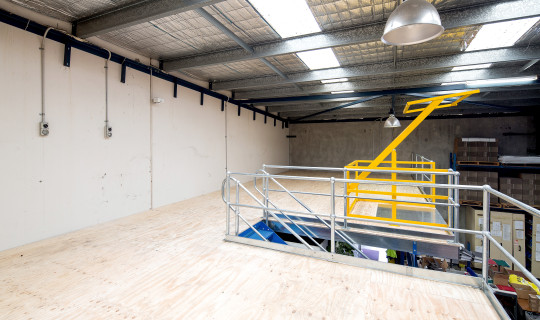
Mezzanine flooring choice plays a direct role in fire safety, ventilation and overall compliance in Australian warehouses. Solid panels and open grating behave very differently in a fire event, and the wrong choice can lead to delays in certification, added cost, or operational limitations. Understanding how flooring influences smoke movement, sprinkler performance and WHS obligations is essential when planning a mezzanine. Unistor integrates these considerations from the earliest design stage to ensure every structure aligns with regulations and performs safely once operational.
Read more

Noise, Vibration & User Experience: Why Flooring Type Shapes Warehouse Performance
Flooring is one of the most influential elements of a mezzanine or multi-level warehouse structures, yet it is often overlooked when planning a new facility or expanding an existing one. The decision between solid panels, such as Unilin, and steel grating systems, such as Meiser, affects noise levels, vibration transfer, worker comfort and equipment performance. It also influences how people move across the structure, how goods travel and how the warehouse performs over time. Understanding these impacts helps businesses design environments that support productivity, safety and long-term usability.
Read more
Prefabricated vs. Site-Built Mezzanines – What Is Better?
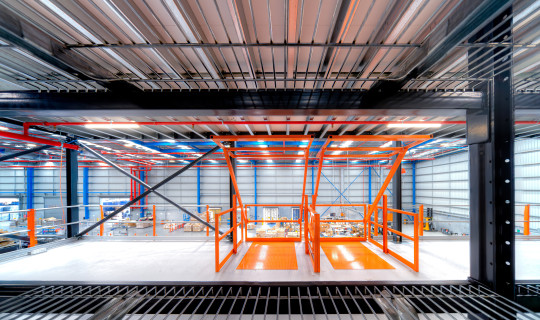
Should your mezzanine be manufactured in a factory or built on-site? The answer affects installation time, compliance certainty and the operational disruption your facility will experience during construction. Prefabricated mezzanines are engineered and manufactured off-site in controlled factory environments before delivery and assembly on location. Site-built mezzanines are fabricated and constructed largely on-site using raw materials and traditional construction methods. Each approach carries distinct implications for project timelines, quality control, safety and long-term flexibility. Understanding these differences allows architects, engineers and facility managers to select the approach that best aligns with project constraints and operational requirements.
Read more