

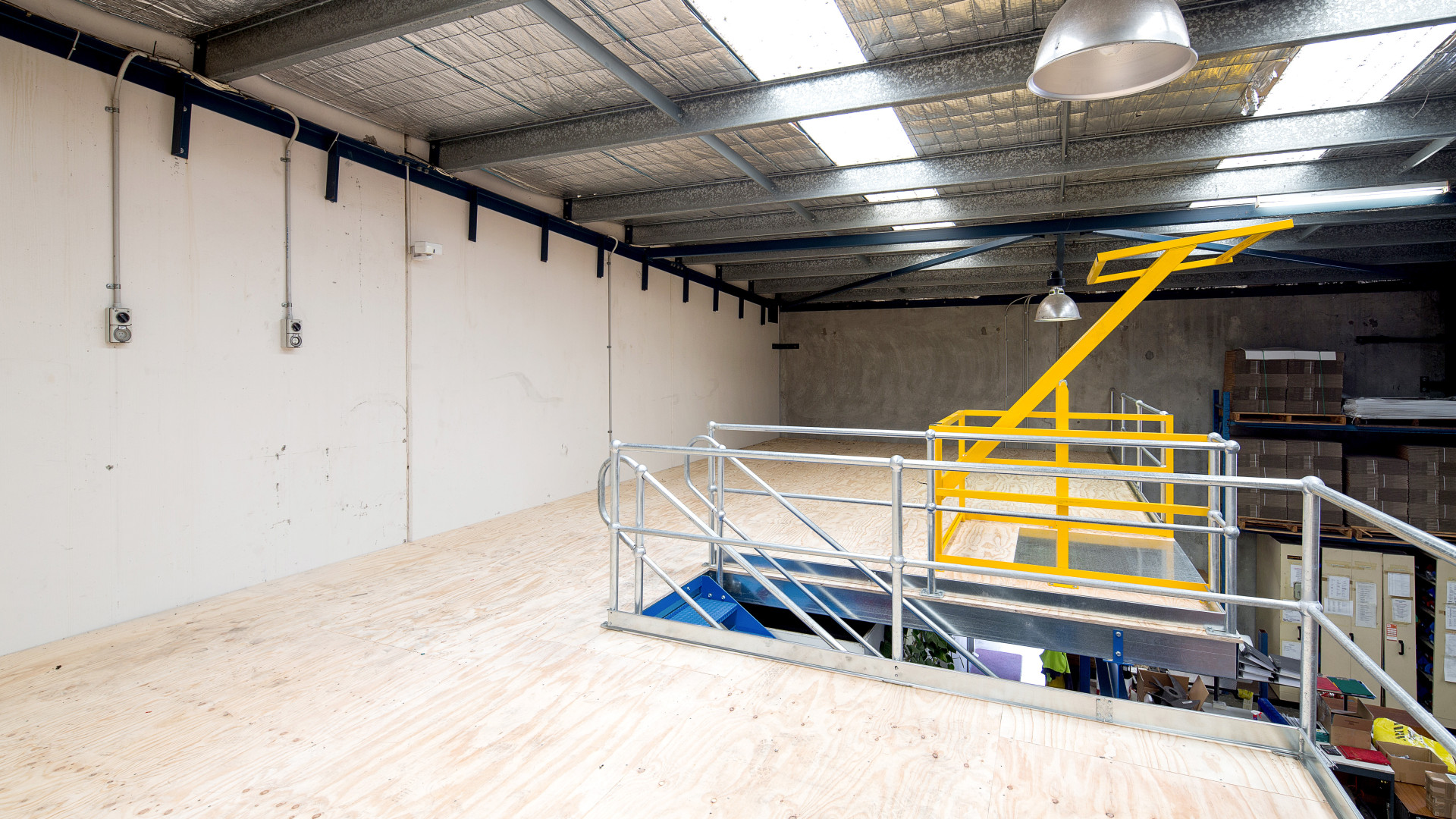
Mezzanine flooring choice plays a direct role in fire safety, ventilation and overall compliance in Australian warehouses. Solid panels and open grating behave very differently in a fire event, and the wrong choice can lead to delays in certification, added cost, or operational limitations. Understanding how flooring influences smoke movement, sprinkler performance and WHS obligations is essential when planning a mezzanine. Unistor integrates these considerations from the earliest design stage to ensure every structure aligns with regulations and performs safely once operational.
Why Flooring Type Is a Fire Engineering Decision
Flooring selection determines how smoke, heat and air move through a mezzanine during a fire. Fire engineers rely on this behaviour to model detection times, temperature build-up, sprinkler discharge patterns and evacuation conditions. Solid mezzanine panels restrict vertical movement, while grating encourages air and smoke to pass through. These characteristics influence whether a mezzanine is treated as part of the same fire zone or requires specific fire engineering measures. Early decisions around flooring help avoid costly changes later in the approval process.
How Open Grating Supports Ventilation and Sprinkler Performance
Open grating improves ventilation and allows smoke and heat to travel upwards, enabling faster activation of ceiling-mounted detectors and sprinklers. Vertical smoke dissipation reduces the risk of localised heat pockets forming under the floor and supports more consistent sprinkler coverage. Grating also increases general airflow, which can benefit temperature control and reduce stagnant air zones in dense storage areas. These features make grating a preferred option in mezzanines with limited clearance, high storage density or layouts that rely heavily on ceiling-based fire protection systems.
When Solid Panels Require Additional Fire and Smoke Protection
Solid panels prevent smoke from passing through the mezzanine and can delay detection of a fire below the deck. This reduced airflow may require fire engineers to introduce additional smoke detection systems underneath the mezzanine or consider supplementary suppression solutions. Mezzanines with solid flooring may also need more defined evacuation routes and greater attention to lighting and visibility under the structure. Despite these requirements, solid panels remain a suitable choice for many applications, especially where rolling loads, equipment movement or comfort are priorities. The key is involving fire engineering early to ensure the design addresses airflow restrictions and maintains compliance.
Slip Resistance and WHS Considerations
Slip resistance is a core requirement for mezzanine certification because floors must support safe pedestrian movement. Open grating offers natural drainage and grip, making it suitable for areas exposed to moisture or industrial processes. Solid panels may require textured surfaces or specific coatings to meet slip resistance standards. Unistor verifies that flooring selected for stairs, walkways and working areas meets WHS performance expectations and aligns with the activities taking place on the mezzanine. Ensuring safe footing reduces workplace risk and contributes to a compliant, fit-for-purpose design.
Australian Standards That Influence Mezzanine Flooring
Australian regulations specify how mezzanines must perform under normal working conditions and in a fire event. AS 1657 sets requirements for walkways, stairs and ladders. AS 4100 outlines structural steel design principles that influence load paths and support systems beneath the flooring. The National Construction Code covers building classes, fire performance, smoke behaviour and egress criteria. Slip resistance standards ensure floors provide adequate traction under expected conditions. Unistor works closely with certifiers and fire safety engineers to ensure every mezzanine meets these standards and remains compliant throughout its operational life.
How Unistor Designs Certified, Regulation-Ready Mezzanine Systems
Unistor incorporates compliance considerations at the concept stage to avoid delays or redesign later in the project. Flooring choice is evaluated alongside fire engineering advice, airflow requirements and load specifications to ensure the structure aligns with regulatory expectations. The engineering team designs substructures that support either grating, solid panels or hybrid flooring systems depending on the operational and compliance needs of the site. In-house fabrication, installation and certification processes ensure that every element of the mezzanine aligns with safety, ventilation and structural requirements. This approach delivers systems that are ready for approval and designed for long-term performance.
Final Considerations
Flooring type is one of the most important decisions made during mezzanine design because it directly impacts fire safety, smoke movement and ventilation performance. Early collaboration with fire engineers and compliance specialists ensures flooring selection supports a safe structure and a smooth certification process. Unistor prioritises compliance from the beginning of each project to help clients build efficient, regulation-ready mezzanine systems.
If you are planning a mezzanine and want to ensure your flooring selection meets fire safety, ventilation and compliance requirements, Unistor can help. Speak with our engineering team to design a certified system that is ready for approval and built to perform.